ORIGINAL ARTICLE
PAZ, Ábner Souza [1], CARVALHO, Agnes Monteiro de [2], COSTA, Allyson Guimarães [3], PIMENTEL, Anita Rachel Silva [4], MORI, Bruno [5], CATÃO, Claudio Lucas dos Santos [6], LIMA, Gloria Alves [7], SOUZA, Jhonnatan Silva de [8], BARCELLOS, José Fernando Marques [9], MENDES, Thalita Souza [10], MARTINS, Valquíria do Carmo Alves [11], FUZITA, William Hiromi [12]
PAZ, Ábner Souza et al. Effects of the use of probiotics on the intestinal microbiota, clinical-nutritional and immunological status of patients gastrectomies for gastric cancer: A clinical trial protocol. Revista Científica Multidisciplinar Núcleo do Conhecimento. Year 10, Ed. 12, Vol. 01, pp. 203-222. December 2025. ISSN:2448-0959. Access link: https://www.nucleodoconhecimento.com.br/health/use-of-probiotics, DOI: 10.32749/nucleodoconhecimento.com.br/health/use-of-probiotics
ABSTRACT
Gastrectomy due to gastric cancer modifies the intestinal biome, this potential modification deserves scientific knowledge. This article aims to describe the protocol of a randomized clinical trial and the baseline results of anthropometric variables, nutritional status, pro-inflammatory cytokines, microbiota profile and use of perioperative probiotics on the clinical-nutritional and immunological status of patients gastrectomized for gastric cancer. This 3-year exploratory project was carried out at the Fundação Centro de Controle de Oncologia do Amazonas-FCECON. A randomized, controlled, single-blind, two-arm intervention study was carried out with 100 patients of both sexes, aged 18 years or older, candidates for elective total or partial gastrectomies and a healthy negative control. Chosen for 5 groups, an intervention group (G1) N = 12, a conventional control group (G2) N = 12. Group G3 (N = 12), with healthy participants. Finally, two groups G4 and G5 (N=64), where only clinical stages were evaluated. Between December 2021 and May 2022, 24 patients were evaluated, with a mean age of 58.8±14.4 years, male (70.8%), with adenocarcinoma (83.3%), undergoing total gastrectomy (75.0%), with staging according to the TNM global assessment for tumors method, high staging (T3 and T4).
Keywords: Gastric Neoplasms, Cancer, Gastrointestinal Microbiome, Nutritional status, Immunological Factors.
1. INTRODUCTION
Gastric Cancer (GC) is the fifth most common neoplasm in the world and is multifactorial, with more than 1 million new cases per year, which makes it the third leading cause of death from cancer, with approximately 783 thousand deaths. annual1-3. In Brazil, in 2017 alone there were more than 14 thousand deaths, and estimates for the three years 2020-2022 point to more than 21 thousand new cases per year3.
In Amazonas, Gastric Cancer (GC) is the second most common cause of incidence4 Distal Radical Gastrectomy (DRG), a standard surgical treatment for the middle or lower third of the GC, has been identified as having better outcomes compared to total gastrectomy5. Increasing evidence from clinical studies has shown large changes in the human intestinal microbiota after gastrointestinal oncological surgeries 6,7.
There is a large body of evidence implicating the gut microbiota in infectious complications after major digestive surgery 8. It is conceivable that manipulation of the microbiota could reduce the incidence and/or magnitude of surgical complications9. Based on this concept, in addition to the general use of antibiotics, perioperative administration of various probiotics (live beneficial bacteria) has been examined in many clinical trials10,11. Therefore, manipulation of the intestinal microbiota to limit bacterial translocation may be a potential alternative to prevent postoperative infection. The effectiveness of probiotics (or synbiotics) has been evaluated in a variety of clinical studies, with the expectation of reducing surgical dysbiosis, improving the host’s immune function and, consequently, preventing bacterial translocation, among other complications. The vast majority of studies reported positive effects of the use of probiotics in gastrointestinal surgery12-15.
Thus, the objective of this study will be to describe the protocol of a randomized clinical trial and the results of anthropometric variables, nutritional status, pro-inflammatory cytokines, and microbiota profile, as indicators of the results of the use of perioperative probiotics in the clinical state. nutritional and immunological status of gastrectomized patients due to gastric cancer.
2. MATERIALS AND METHODS
This study protocol follows the recommendations of the SPIRIT (Standard Protocol Items for Clinical Trials) report, which defines the standard items for the development of clinical trial protocols.
A randomized, controlled, single-blind, two-arm intervention study was conducted with 100 patients from the general surgery outpatient clinic of the Fundação Centro de Controle de Oncologia do Amazonas-FCECON. The study will last three years. The study was approved by the university’s Research Ethics Committee (FCECON, Amazonas-Brazil, CAAE: 35379220.0.0000.0004 and Opinion Number: 4.360.676. It was also approved by Clinical Trials.gov with NCT 06250075.
2.1 PARTICIPANTS AND RECRUITMENT
Inclusion criteria were: (a) Patients with indication for total or partial gastrectomies, with TNM staging = T1, T2, T3, T4 (without neoadjuvant chemotherapy); (b) aged 18 years and over; (c) Patients with indication for gastrectomies only due to cancer The criteria for non-inclusion were: (a) Patients undergoing surgeries in the palliative setting (bleeding or obstruction; (b) Use of probiotics and prebiotics in the last 15 days; ( c) Patients who are unable to complete all follow-up steps; (e) Patients diagnosed with other morbidities that alter energy metabolism and food intake, such as AIDS, DM, Autoimmune Diseases, Liver and Kidney Diseases , Intolerant to Lactose or Gluten, Inflammatory Bowel Diseases, Current Infection; (f) Use of antibiotics 15 days before surgery (g) Patients who are unable to perform electrical bioimpedance due to having MCP (pacemaker), Severe edema, Women in their menstrual period, Titanium Plates in any member of the body; (h) Patients who for some reason had their surgeries suspended during follow-up; (i) Patients who had mechanical preparation of the colon in the last 30 days; (j) Patients who are not residents/domiciled in Amazonas.
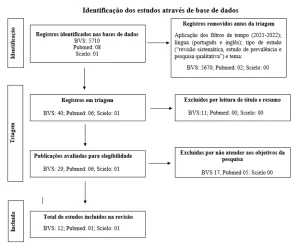
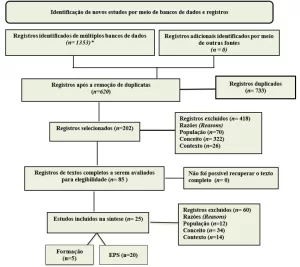
The study population consisted of (100) patients of both sexes, over 18 years of age, candidates for elective total or partial gastrectomies, and healthy negative control. Randomization occurred through a specific application called Randomizer for Clinical Trial Lite. Five groups were chosen, an intervention group (G1) N=12 and a conventional control group (G2) N=12. Group G3 (N=12), with healthy participants. And finally, two groups G4 and G5 (N=64), where we evaluated only clinical outcomes. The details of patient recruitment are shown in Figure 1. Patient allocation was performed with a 1:1 distribution.
In group 1, the intervention occurred with ingestion from the 1st day post-OP when the diet was released (PO or ENT) and up to 7 days postoperatively with probiotic capsules. Group G2 followed general nutritional guidelines. Group G3 (FCECON employees) continued to ingest probiotic capsules for 7 days during follow-up, without surgical intervention; these were randomly chosen and standardized by social level, paired with G1. The new groups were divided into G4 (intervention) and G5 (placebo), where G4 underwent gastrectomy and used probiotics for 7 days, and G5 underwent a gastrectomy and was followed for 7 days using a placebo capsule (calcium carbonate 100 mg). Due to the lack of evidence of the use of probiotics only in the postoperative period. So that we can evaluate only the clinical outcomes are suture dehiscence; occurrence of fistulas; surgical wound infection; length of stay; changing the antibiotic therapy protocol and death, in both groups without, therefore, evaluating the microbiota and cytokine profile. These will be chosen by randomization using the specific Randomizer for the Clinical Trial Lite application and standardized by social level paired with G1.
In both groups (G1 and G2), feces were collected before surgery on an outpatient basis and after 7days in the follow-up period, stool samples and blood samples were collected in G3 for serological testing for H. pylori before the intervention with probiotics and 7 days after ingestion to rule out a possible diagnosis of H. pylori, thus reducing the risk of bias in altering their microbiota. If this was positive, the patient would be referred for treatment by a physician specialized in FCECON. Group G1 was compared with groups G4 and G5, where we evaluated the clinical results related to the intervention with and without probiotics.
Figure 1. Study Flowchart. Study design and phases

2.2 OUTCOME MEASUREMENTS
2.2.1 SPECIFIC FOR GROUP 1 – INTERVENTION
Analyze and correlate the metagenomic profile of the intestinal microbiota using 16s rrna gene sequencing analyze and correlate the metagenomic profile of the intestinal microbiota using 16s rrna gene sequencing using the illumina platform, nutritional status (anthropometric measurements), immunological profile (inflammatory cytokines) using the cytometer (facscantoii, bd biosciences, san jose, ca, usa) with the cytometric bead array (cba) kit, bd™ human chemokine and bd human cytokine th1/th2/th17 and inflammatory cytokines (cxcl-8, il-1b, il-6, tnf-a, il-12p70, il-2, inf-y, il-17a, il-4, il-10), before and after gastrectomy of patients who ingested probiotic capsules with formulation containing 20 billion microorganisms: lactobacillus acidophilus ncfm®, lactobacillus paracasei lpc-37 ™, bifidobacterium lactis bi-04™, bifidobacterium lactis bi-07™, bifidobacterium bifidum bb-02™) as well as correlating clinical outcomes in the postoperative period.
2.2.2 SPECIFIC FOR GROUP 2 – CONTROL WITHOUT PROBIOTICS
Analyze and correlate the metagenomic profile of the intestinal microbiota using 16s rrna gene sequencing using the illumina platform, the nutritional status (anthropometric measurements), the immunological profile (inflammatory cytokines) using the cytometer (facscantoii, bd biosciences, san jose, ca, usa ) with the cytometric bead array (cba) kit, bd™ human chemokine and bd human cytokine th1/th2/th17 and inflammatory cytokines (cxcl-8, il-1b, il-6, tnf-a, il-12p70, il- 2, inf-y, il-17a, il-4, il-10), before and after gastrectomies of patients who received protocol nutritional guidelines from the snd, as well as correlating clinical outcomes in the postoperative period.
2.3 SPECIFIC FOR GROUP 3- HEALTHY NEGATIVE CONTROL
Analyze the metagenomic profile of the intestinal microbiota using 16s rrna gene sequencing analyze and correlate the metagenomic profile of the intestinal microbiota using 16s rrna gene sequencing using the illumina platform, nutritional status (anthropometric measurements), immunological profile (inflammatory cytokines) using the cytometer (facscantoii, bd biosciences, san jose, ca, usa) with the cytometric bead array (cba) kit, bd™ human chemokine and bd human cytokine th1/th2/th17 and inflammatory cytokines (cxcl-8, il-1b, il -6, tnf-a, il-12p70, il-2, inf-y, il-17a, il-4, il-10), and diagnosis of h. Pylori by eda (upper gastrointestinal endoscopy) of healthy people (employees mid-level fcecon) using probiotics with a formulation containing 20 billion microorganisms: lactobacillus acidophilus ncfm®, lactobacillus paracasei lpc-37™, bifidobacterium lactis bi-04™, bifidobacterium lactis bi-07™, bifidobacterium bifidum bb-02™16.
2.4 SPECIFIC FOR GROUP 4 – CLINICAL OUTCOMES (INTERVENTION)
Analyze and correlate clinical outcomes such as suture dehiscence; occurrence of fistulas; surgical wound infection; length of stay; change of antibiotic therapy protocol; and death, with the use of probiotics in patients gastrectomized due to cancer17.
2.5 SPECIFIC FOR GROUP 5 – CLINICAL OUTCOMES (PLACEBO)
Analyze and correlate clinical outcomes such as suture dehiscence; occurrence of fistulas; surgical wound infection; length of stay; change of antibiotic therapy protocol; and death, with the use of placebo (calcium carbonate 0.5 g) in patients gastrectomized due to cancer17.
The cutoff points for assessing nutritional status were: BMI (24.9 kg/m2 for adults) and elderly (27 kg/m2).
3. SAMPLE CALCULATION
From the literature review, it was observed that the Shannon index, which represents the ecological diversity of the intestinal microbiota, in patients with gastric cancer is estimated at 2.4, while in healthy patients this index is 3.015. Using the G-Power application, we found that at least 12 individuals were needed in each group (G1, G2, G3) to compare the groups evaluated for the analysis of the intestinal microbiota, to obtain a study power greater than 80% and p-p-alpha of 0.05. Totaling the sample N with 36 participants (with a loss margin of 20%). This calculation was made using the following function:
G.Power.t.test (n = 2:20, delta = 3.0 − 2.4, sd = sqrt(0.1))
It is worth mentioning that at the Fundação Centro de Controle de Oncologia (FCECON), around 270 gastrectomies for cancer occur annually, of which around 90 are palliated due to disease progression throughout the preoperative follow-up, making it feasible to recruit the number of participants necessary to meet the objectives of this research.
Taking into account palliated surgeries, and reschedulings, as well as other variables, we arrived at the real adjusted number of 180 gastrectomies per year on average, participants belonging to G4 and G5 were calculated using the finite sample calculation according to the formula below;
Where:
- n – Calculated sample;
- N – Population;
- Z – Normally standardized variable associated with the level of confidence;
- p – True probability of the event;
- e – Sampling error.
Formula for sample calculation

Considering a 95% confidence level and a sampling error of 5%. Thus, the sample size in these groups is 64 patients, 32 for G4 and 32 for G5.
4. RESULTS
From December 2021 to May 2022, 24 patients were evaluated. With a mean age of 58.8±14.4 years (range: 24 to 81 years), the majority were male (70.8%), with adenocarcinoma (83.3%), blood type O+ (62.5%). Which is a factor associated with the etiology of gastric cancer, with type A+ being the most associated. Undergoing total gastrectomy (75.0%) (Table 1). Despite the age range, we observed that it was very linear in relation to the mean and SD, being 62.7±12.2 in the intervention group and 54.8±15.8 in the control group, while the staging of the disease showed, according to the TNM method of global assessment for tumors, a high stage (T3 and T4) in most cases, possibly associated with the time of medical diagnosis.
TABLE 1- Clinical characteristics of patients undergoing surgical procedures at FCECON (N=24)

SOURCE: The author (2022).
Legend: F (female); M (male); ADC (adenocarcinoma); GIST (Gastric Stromal Tumor); GT (Total Gastrectomy); GST: (Subtotal Gastrectomy).
When comparing the intervention and control groups, patients in the intervention group spent more days in the ICU (P=0.003). Other variables did not show a statistically significant difference (TABLE 2).
TABLE 2. Socioepidemiological characteristics of patients undergoing surgical procedures at FCECON, according to intervention and control groups (N=24)


Source: The author (2022).
NOTES: P: a: Student’s T-test; b: Fisher’s Exact Test; c: Mann-Whitney test; d: Pearson’s Chi-square test.
Quantitative variables are described as mean and standard deviation or median and interquartile range; categorical variables, in absolute and relative numbers.
SD: Standard deviation; II: Interquartile range.
The BMI evaluated when we compared the groups, we did not notice statistical differences, however, when evaluating the age profile of the research participants, we saw that the average age varied between 55 and 62 years, compatible with a differentiated BMI profile given that the majority of participants were already are classified in the elderly age group in Brazil. Knowing this, we then realized that the nutritional risk was already present even before the surgical procedure in both groups.
The percentage of weight loss was higher in the control group, both pre-and postoperatively (P=0.049). After surgical treatment, in patients in both groups, there was a decrease in BC measurements (P=0.001), phase angle (P<0.001), lymphocytes (P=0.004), % of total lymphocytes (P=0.002) and CTLP (P=0.007).
5. DISCUSSION
The current randomized clinical trial will evaluate the effectiveness of an intervention using perioperative probiotics on the clinical-nutritional and immunological status of patients with gastrectomies for gastric cancer. The intervention is being carried out on the premises of the CECON Foundation in the city of Manaus/AM.
The epidemiological assessment of our research participants undergoing gastrectomy These data corroborate the epidemiological characteristics of gastric cancer in Brazil, as estimates for the 2020-2022 triennium report an incidence of 13,360 cases for men and 7,870 among women, a difference of 5,490 more cases for males. Around 84% of histopathological diagnoses were compatible with adenocarcinoma, one of the most common types of gastric cancer worldwide18,19.
The most common reasons for weight loss are the reduction in food intake, the increase in nutritional needs induced by the tumor, and the inefficient use of nutrients which will be described later in our study12,20-22. The highest incidence and severity of weight loss has been documented in gastric and pancreatic cancer, where 85% of patients experience cachexia12,23-27. Studies have shown that weight loss is frequent in malignant diseases, especially in neoplasms of the upper gastrointestinal tract18,26-28 this was also observed in our results, we emphasize that this result is closely related to the location of the disease, which, as it is of the digestive tract directly influences the nutritional status and we can even say that in the immunological profile when we observe in the following data about the nutritional risk associated with the reduction of lymphocytes29-32.
This clinical trial protocol is not without limitations, which need to be highlighted. In particular, there was a relatively large proportion of participants who refused to participate in the survey or who were considered ineligible according to the non-inclusion criteria, such as patients who were candidates for surgery but were palliated during surgery. due to metastatic disease. Therefore, patients who had significant health problems due to the severity of the disease were not included, representing a possible selection bias.
It is important to highlight that no study has investigated the effects of an intervention similar to this study, taking into account the results considered here. The results of the interventions, given the richness of meanings, have been documented using qualitative approaches. Therefore, the present study seeks to carry out a qualitative and quantitative analysis, to integrate a series of variables to understand a complex process.
6. CONCLUSIONS
This Qualiqualitative project will explore and document in an applied way to immunology, describe the baseline results of anthropometric and clinical variables, nutritional status, inflammatory cytokine profile, and intestinal microbiota, as indicators of the results of the use of perioperative probiotics in the clinical-nutritional status and immune system of patients gastrectomized for gastric cancer. Through research methodologies, the evidence generated will allow professionals who care for patients with gastric cancer to better develop and adapt their assistance services and programs. Evidence can also help inform resource allocation and provide vital information for governments to support the planning and development of equitable, holistic, and appropriate care, reflecting the needs and priorities of patients with gastric cancer or undergoing treatment for gastric cancer. The evidence generated from this project is a critical step in addressing the clinical-nutritional and immunological status of patients’ gastrectomies for gastric cancer, supporting the decision-making process regarding the chosen treatment and/or the best way to care for the patient.
ACKNOWLEDGMENTS
We would like to thank our scientific research partners, FHEMOAM, as well as POSGRAD, a scientific support program at PPGIBA (postgraduate program in basic and applied immunology at UFAM (Federal University of Amazonas). To PAIC/FCECON (support program for FCECON scientific initiation) for the scientific support, to Dr Bruno Mori, for accepting this challenge together with me.
REFERENCES
- Bray F, Laversanne M, Sung H, Ferlay J, Siegel RL, Soerjomataram I, Jemal A. Global cancer statistics 2022: GLOBOCAN estimates of incidence and mortality worldwide for 36 cancers in 185 countries. CA Cancer J Clin. 2024 May-Jun;74(3):229-263. doi: 10.3322/caac.21834. Epub 2024 Apr 4. PMID: 38572751.
- Holthuijsen DDB, Bours MJL, Roekel EHV, Breukink SO, Janssen-Heijnen MLG, Keulen ETP, Ueland PM, Midttun Ø, Brezina S, Gigic B, Gsur A, Kok DE, Ose J, Ulrich CM, Weijenberg MP, Eussen SJPM. Longitudinal Associations of Adherence to the Dietary World Cancer Research Fund/American Institute for Cancer Research (WCRF/AICR) and Dutch Healthy Diet (DHD) Recommendations with Plasma Kynurenines in Colorectal Cancer Survivors after Treatment. 2022 Dec 3;14(23):5151. doi: 10.3390/nu14235151. PMID: 36501181; PMCID: PMC9738623.
- Stüben BO, Plitzko GA, Stern L, Li J, Neuhaus JP, Treckmann JW, Schmeding R, Saner FH, Hoyer DP. Prognostic factors of poor postoperative outcomes in gastrectomies. Front Surg. 2023 Dec 1;10:1324247. doi: 10.3389/fsurg.2023.1324247. PMID: 38107405; PMCID: PMC10722220.
- Sun N, Chen Y, Zhang J, Cao J, Huang H, Wang J, Guo W, Li X. Identification and characterization of pancreatic infections in severe and critical acute pancreatitis patients using 16S rRNAgene next generation sequencing. Front Microbiol. 2023 Jun 14;14:1185216. doi: 10.3389/fmicb.2023.1185216. PMID: 37389346; PMCID: PMC10303115.
- Weaver L, Troester A, Jahansouz C. The Impact of Surgical Bowel Preparation on the Microbiome in Colon and Rectal Surgery. Antibiotics (Basel). 2024 Jun 23;13(7):580. doi: 10.3390/antibiotics13070580. PMID: 39061262; PMCID: PMC11273680.
- Leylabadlo HE, Ghotaslou R, Feizabadi MM, Farajnia S, Moaddab SY, Ganbarov K, Khodadadi E, Tanomand A, Sheykhsaran E, Yousefi B, Kafil HS. The critical role of Faecalibacterium prausnitzii in human health: An overview. Microb Pathog. 2020 Dec;149:104344. doi: 10.1016/j.micpath.2020.104344. Epub 2020 Jun 11. PMID: 32534182.
- Machlowska J, Baj J, Sitarz M, Maciejewski R, Sitarz R. Gastric Cancer: Epidemiology, Risk Factors, Classification, Genomic Characteristics and Treatment Strategies. Int J Mol Sci. 2020 Jun 4;21(11):4012. doi: 10.3390/ijms21114012. PMID: 32512697; PMCID: PMC7312039.
- Mora M, Mahnert A, Koskinen K, Pausan MR, Oberauner-Wappis L, Krause R, Perras AK, Gorkiewicz G, Berg G, Moissl-Eichinger C. Microorganisms in Confined Habitats: Microbial Monitoring and Control of Intensive Care Units, Operating Rooms, Cleanrooms and the International Space Station. Front Microbiol. 2016 Oct 13;7:1573. doi: 10.3389/fmicb.2016.01573. PMID: 27790191; PMCID: PMC5061736.
- Mayta-Tovalino F, Diaz-Arocutipa C, Piscoya A, Hernandez AV. Effects of Probiotics on Intermediate Cardiovascular Outcomes in Patients with Overweight or Obesity: A Systematic Review and Meta-Analysis. J Clin Med. 2023 Mar 28;12(7):2554. doi: 10.3390/jcm12072554. PMID: 37048636; PMCID: PMC10095238.
- Iwasaki H, Haraguchi E, Ihashi T, Yokomizo H. Risk Factor of Sarcopenia After Gastrectomy in Elderly Patients With Gastric Cancer. Anticancer Res. 2023 Sep;43(9):4207-4212. doi: 10.21873/anticanres.16612. PMID: 37648324.
- Liang W, Yang Y, Wang H, Wang H, Yu X, Lu Y, Shen S, Teng L. Gut microbiota shifts in patients with gastric cancer in the perioperative period. Medicine (Baltimore). 2019 Aug;98(35):e16626. doi: 10.1097/MD.0000000000016626. PMID: 31464899; PMCID: PMC6736490.
- Cessot A, Hebuterne X, Coriat R, Durand JP, Mir O, Mateus C, Cacheux W, Lemarie E, Michallet M, de Montreuil CB, Goldwasser F; French Nutrition Oncology Study Group. Defining the clinical condition of cancer patients: it is time to switch from performance status to nutritional status. Support Care Cancer. 2011 Jul;19(7):869-70. doi: 10.1007/s00520-011-1122-z. Epub 2011 Mar 10. PMID: 21387161.
- Liang W, Yang Y, Wang H, Wang H, Yu X, Lu Y, Shen S, Teng L. Gut microbiota shifts in patients with gastric cancer in the perioperative period. Medicine (Baltimore). 2019 Aug;98(35):e16626. doi: 10.1097/MD.0000000000016626. PMID: 31464899; PMCID: PMC6736490.
- HORVATH, Angela et al. Distal Gastrectomy with Billroth II Reconstruction is Associated with Oralization of Gut Microbiome and Intestinal Inflammation: A Proof-of-Concept Study. Annals of Surgical Oncology, [ l.], v. 28, n. 2, p. 1198–1208, 2021. Disponível em: https://www.ncbi.nlm.nih.gov/pmc/articles/PMC7801296/. Acesso em: 26 Jan. 2024. DOI: 10.1245/s10434-020-08678-1.
- FCECON, Fundação Centro de Controle de Oncologia do Estado do Amazonas. Relatório de Gestão Anual – 2022. [S. l.], 2022. Disponível em: http://www.fcecon.am.gov.br/wp-content/uploads/2023/05/Relatorio-de-Gestao-2022.pdf.
- Estimativa 2020 incidência de cancer no Brasil. 2019.
- BESAGIO, B. P.; ANDRADE, E. C. de; CARDOSO, G. G.; COUTO, L. C.; SANTINI, J. X.; NUNES, P. L. P.; CARVALHO, F. B. de. Câncer gástrico: Revisão de literatura / Gastric Cancer: A Literature Review. Brazilian Journal of Health Review, [S. l.], v. 4, n. 4, p. 16439–16450, 2021. DOI: 10.34119/bjhrv4n4-160. Disponível em: https://ojs.brazilianjournals.com.br/ojs/index.php/BJHR/article/view/33889. Acesso em: 19 feb. 2024.BUTTERS, M. et al. Studies on nutritional status in general surgery patients by clinical, anthropometric, and laboratory parameters. Nutrition, v.12, n.6, p.405–410, 1 Jun. 1996.
- Almonacid DE, Kraal L, Ossandon FJ, Budovskaya YV, Cardenas JP, Bik EM, Goddard AD, Richman J, Apte ZS. Correction: 16S rRNA gene sequencing and healthy reference ranges for 28 clinically relevant microbial taxa from the human gut microbiome. PLoS One. 2019 Feb 12;14(2):e0212474. doi: 10.1371/journal.pone.0212474. Erratum for: PLoS One. 2017 May 3;12(5):e0176555. PMID: 30753236; PMCID: PMC6372203.
- Ilic, Milena, and Irena Ilic. “Epidemiology of stomach cancer.” World Journal of Gastroenterology 28,12 (2022): 1187-1203. doi:10.3748/wjg.v28.i12.1187.
- Bod L, Kye YC, Shi J, Torlai Triglia E, Schnell A, Fessler J, Ostrowski SM, Von-Franque MY, Kuchroo JR, Barilla RM, Zaghouani S, Christian E, Delorey TM, Mohib K, Xiao S, Slingerland N, Giuliano CJ, Ashenberg O, Li Z, Rothstein DM, Fisher DE, Rozenblatt-Rosen O, Sharpe AH, Quintana FJ, Apetoh L, Regev A, Kuchroo VK. B-cell-specific checkpoint molecules that regulate anti-tumour immunity. Nature. 2023 Jul;619(7969):348-356. doi: 10.1038/s41586-023-06231-0. Epub 2023 Jun 21. PMID: 37344597; PMCID: PMC10795478.
- Assumpção PP, Barra WF, Ishak G, Coelho LGV, Coimbra FJF, Freitas HC, Dias-Neto E, Camargo MC, Szklo M. The diffuse-type gastric cancer epidemiology enigma. BMC Gastroenterol. 2020 Jul 13;20(1):223. doi: 10.1186/s12876-020-01354-4. PMID: 32660428; PMCID: PMC7358925.
- Martín R, Rios-Covian D, Huillet E, Auger S, Khazaal S, Bermúdez-Humarán LG, Sokol H, Chatel JM, Langella P. Faecalibacterium: a bacterial genus with promising human health applications. FEMS Microbiol Rev. 2023 Jul 5;47(4):fuad039. doi: 10.1093/femsre/fuad039. PMID: 37451743; PMCID: PMC10410495.
- Binda C, Lopetuso LR, Rizzatti G, Gibiino G, Cennamo V, Gasbarrini A. Actinobacteria: A relevant minority for the maintenance of gut homeostasis. Dig Liver Dis. 2018 May;50(5):421-428. doi: 10.1016/j.dld.2018.02.012. Epub 2018 Mar 5. PMID: 29567414.
- Zhu Y, Yu X, Cheng G. Human skin bacterial microbiota homeostasis: A delicate balance between health and disease. mLife. 2023 Jun 4;2(2):107-120. doi: 10.1002/mlf2.12064. PMID: 38817619; PMCID: PMC10989898.
- Xia X, Zhang Z, Xu J, Zhao G, Yu F. Comparison of postoperative lymphocytes and interleukins between laparoscopy-assisted and open radical gastrectomy for early gastric cancer. J Int Med Res. 2019 Jan;47(1):303-310. doi: 10.1177/0300060518800909. Epub 2018 Oct 1. PMID: 30270803; PMCID: PMC6384451.
- Kim J, Wang TC. Helicobacter pylori and Gastric Cancer. Gastrointest Endosc Clin N Am. 2021 Jul;31(3):451-465. doi: 10.1016/j.giec.2021.03.003. PMID: 34053633.
- Erawijantari PP, Mizutani S, Shiroma H, Shiba S, Nakajima T, Sakamoto T, Saito Y, Fukuda S, Yachida S, Yamada T. Influence of gastrectomy for gastric cancer treatment on the fecal microbiome and metabolome profiles. Gut. 2020 Aug;69(8):1404-1415. doi: 10.1136/gutjnl-2019-319188. Epub 2020 Jan 16. PMID: 31953253; PMCID: PMC7398469.
- Zhou J, Wang J, Wang W, Sun L, Zhao S, Sun Q, Wang D. Pathological Complete Response Achieved with XELOX Chemotherapy, HIPEC, and Anti-PD-1 Immunotherapy in Stage IV Gastric Adenocarcinoma with Peritoneal Metastasis: A Case Report and Review of the Literature. J Gastrointest Cancer. 2024 Apr 27. doi: 10.1007/s12029-024-01056-0. Epub ahead of print. PMID: 38676903.
- Caputi V, Popov J, Giron MC, O Apos Mahony S. Gut Microbiota as a Mediator of Host Neuro-Immune Interactions: Implications in Neuroinflammatory Disorders. Mod Trends Psychiatry. 2021;32:40-57. doi: 10.1159/000510416. Epub 2021 May 6. PMID: 34032644.
- Gong Z, Ma J, Su H, Guo T, Cai H, Chen Q, Zhao X, Qi J, Du J. Interleukin-1 receptor antagonist inhibits angiogenesis in gastric cancer. Int J Clin Oncol. 2018 Aug;23(4):659-670. doi 10.1007/s10147-018-1242-2. Epub 2018 Jan 17. PMID: 29344744; PMCID: PMC6097079.
- Gopalakrishnan V, Helmink BA, Spencer CN, Reuben A, Wargo JA. The Influence of the Gut Microbiome on Cancer, Immunity, and Cancer Immunotherapy. Cancer Cell. 2018 Apr 9;33(4):570-580. doi: 10.1016/j.ccell.2018.03.015. PMID: 29634945; PMCID: PMC6529202.
- Mueller TC, Reik L, Prokopchuk O, Friess H, Martignoni ME. Measurement of body mass by bioelectrical impedance analysis and computed tomography in cancer patients with malnutrition – a cross-sectional observational study. Medicine (Baltimore). 2020 Dec 11;99(50):e23642. doi: 10.1097/MD.0000000000023642. PMID: 33327343; PMCID: PMC7738080.
- Chan JYK, Cheung MK, Lan L, Ng C, Lau EHL, Yeung ZWC, Wong EWY, Leung L, Qu X, Cai L, Zhu H, Boon SS, Burk RD, Chan PKS, Chen Z. Characterization of oral microbiota in HPV and non-HPV head and neck squamous cell carcinoma and its association with patient outcomes. Oral Oncol. 2022 Dec;135:106245. doi: 10.1016/j.oraloncology.2022.106245. Epub 2022 Nov 12. PMID: 36375420.
- Li H, Bao L, Wang T, Guan Y. Dietary change influences the composition of the fecal microbiota in two rescued wild raccoon dogs (Nyctereutes procyonoides). Front Microbiol. 2024 Feb 9;15:1335017. doi: 10.3389/fmicb.2024.1335017. PMID: 38404601; PMCID: PMC10884114.
- Ali A, AlHussaini KI. Helicobacter pylori: A Contemporary Perspective on Pathogenesis, Diagnosis and Treatment Strategies. Microorganisms. 2024 Jan 22;12(1):222. doi: 10.3390/microorganisms12010222. PMID: 38276207; PMCID: PMC10818838.
- KNIGHT, R.; VRBANAC, A.; TAYLOR, B. C.; AKSENOV, A.; CALLEWAERT, C.; DEBELIUS, J.; GONZALEZ, A.; KOSCIOLEK, T.; MCCALL, L.-I.; MCDONALD, D.; MELNIK, A. V.; MORTON, J. T.; NAVAS, J.; QUINN, R. A.; SANDERS, J. G.; SWAFFORD, A. D.; THOMPSON, L. R.; TRIPATHI, A.; XU, Z. Z.; ZANEVELD, J. R.; ZHU, Q.; CAPORASO, J. G.; DORRESTEIN, P. C. Best practices for analyzing microbiomes. Nature Reviews. Microbiology, [ l.], v. 16, n. 7, p. 410–422, jul. 2018. DOI: 10.1038/s41579-018-0029-9.
- Malespín-Bendaña W, Ferreira RM, Pinto MT, Figueiredo C, Alpízar-Alpízar W, Une C, Figueroa-Protti L, Ramírez V. Helicobacter pylori infection induces abnormal expression of pro-angiogenic gene ANGPT2 and miR-203a in AGS gastric cell line. Braz J Microbiol. 2023 Jun;54(2):791-801. doi: 10.1007/s42770-023-00940-4. Epub 2023 Mar 6. PMID: 36877445; PMCID: PMC10235401.
- Huemer F, Hecht S, Scharinger B, Schlintl V, Rinnerthaler G, Schlick K, Heregger R, Melchardt T, Wimmer A, Mühlbacher I, Koch OO, Neureiter D, Klieser E, Seyedinia S, Beheshti M, Greil R, Weiss L. Body composition dynamics and impact on clinical outcome in gastric and gastro-esophageal junction cancer patients undergoing perioperative chemotherapy with the FLOT protocol. J Cancer Res Clin Oncol. 2023 Jul;149(7):3051-3064. doi: 10.1007/s00432-022-04096-w. Epub 2022 Jul 21. PMID: 35864270; PMCID: PMC10314876.
[1] Advisor. PhD in Basic and Applied Immunology. ORCID: https://orcid.org/0000-0003-2940-4466. Currículo Lattes: http://lattes.cnpq.br/9419952597658607.
[2] Bachelor’s degree in Nutrition. ORCID: https://orcid.org/0009-0006-9483-5923. Currículo Lattes: http://lattes.cnpq.br/6817824773879151.
[3] PhD in Basic and Applied Immunology. ORCID: https://orcid.org/0000-0002-7312-6822.
[4] Bachelor’s degree in Medicine. ORCID: https://orcid.org/0000-0002-7892-8648.
[5] PhD in Basic and Applied Immunology. ORCID: https://orcid.org/0000-0003-0903-2132.
[6] Master’s in Hematology. ORCID: https://orcid.org/0000-0003-2476-3638. Currículo Lattes: http://lattes.cnpq.br/3925752009134903.
[7] Bachelor’s degree in Nutrition. ORCID: https://orcid.org/0000-0001-7652-0510.
[8] Specialist in Clinical Microbiology. ORCID: https://orcid.org/0000-0002-2044-4157. Currículo Lattes: https://lattes.cnpq.br/0476576718414846.
[9] PhD in Morphological Sciences. ORCID: https://orcid.org/0000-0003-2149-7899.
[10] Bachelor’s degree in Nutrition. ORCID: https://orcid.org/0009-0006-7053-1239. Currículo Lattes: http://lattes.cnpq.br/3022099731290760.
[11] PhD in Basic and Applied Immunology. ORCID: https://orcid.org/0000-0003-1259-9738.
[12] Specialist in Clinical Oncology. ORCID: https://orcid.org/0000-0002-4662-704X. Currículo Lattes: http://lattes.cnpq.br/3479240572367669.
Material received: April 8, 2024.
Material approved by peers: January 17, 2025.
Edited material approved by authors: September 18, 2025.