Overview of the milk production chain in Brazil: development and perspectives
Dairy farming is an activity of enormous prominence not only in Brazil but throughout the planet, exerting enormous influence on
Dairy farming is an activity of enormous prominence not only in Brazil but throughout the planet, exerting enormous influence on
Ecosystems subject to extreme abiotic factors are privileged places for studies of positive interactions between plants, such as
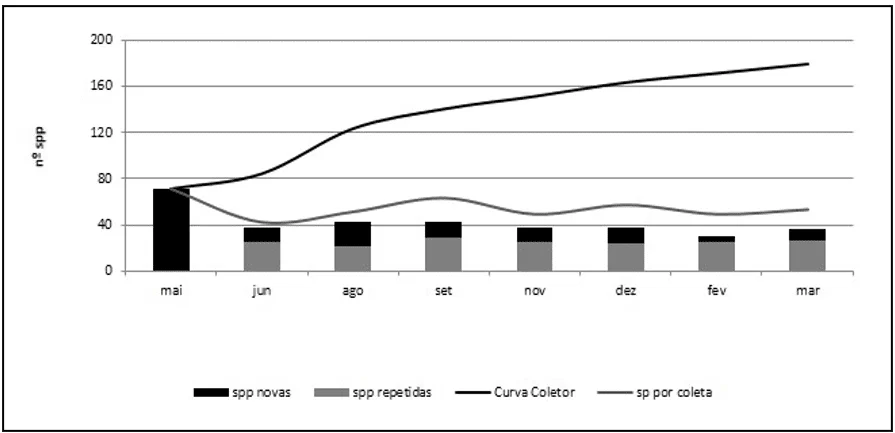

The Pantanal has about 730 bird species, of about 80 are aquatic birds, being the richest and abundant region with aquatic birds
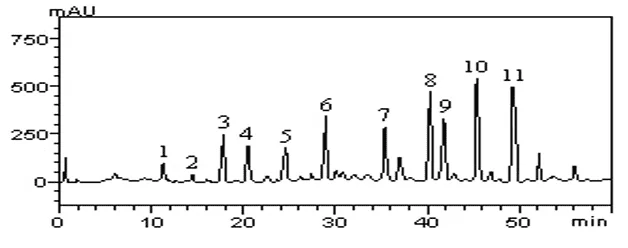

The medicinal plant Artemisia absinthium (AA) is widely utilized around the world. Its ethanolic extract is frequently taken as a drink
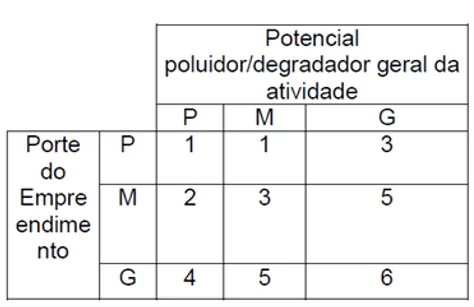

The increase in population causes more urban areas to be built. Laws, norms, guidelines and deliberations govern the environmental
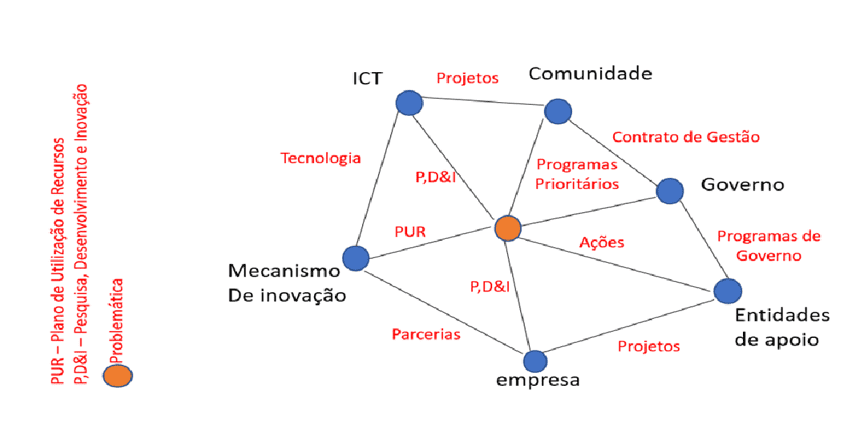

Studying and knowing the Amazon Rainforest in the current socioeconomic scenario leads to reflection on the effectiveness
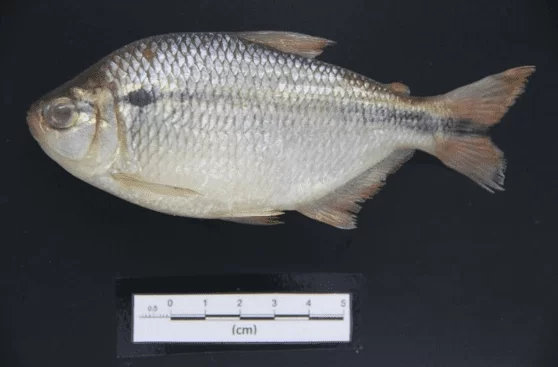

This study aimed to identify and measure the hematological parameters (erythrogram, thrombogram, white blood cell count and plasma
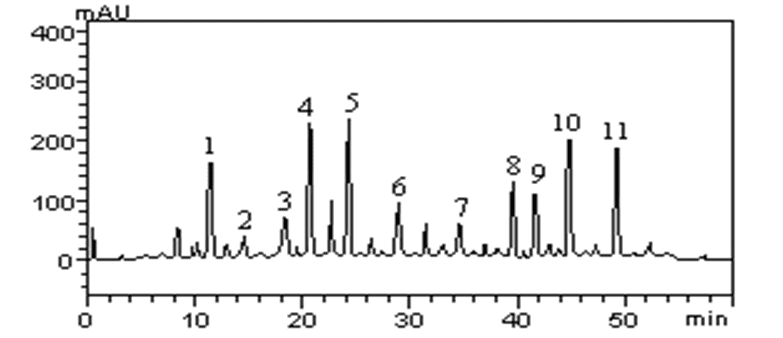
Artemisia absinthium (AA) is a widely used medicinal plant in the world. Its aqueous extract is widely consumed in tea form for various
One of the biggest challenges currently for public health in Brazil and worldwide are vector-borne diseases
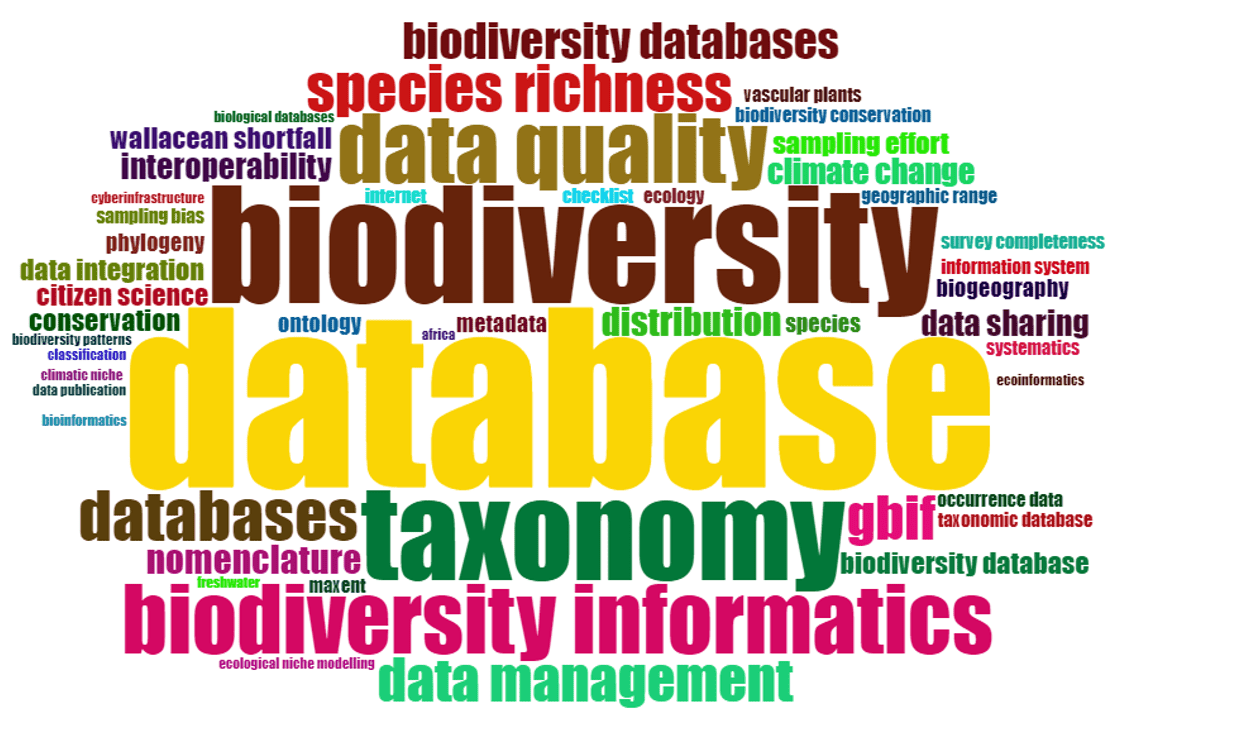

The present research deals with biodiversity databases through a bibliographic survey on the Scopus journals portal, using terms in


For a total 23 valid species, in Northeastern Brazilian States were observed ten species of Tropidurus, being three founded in Ceará State
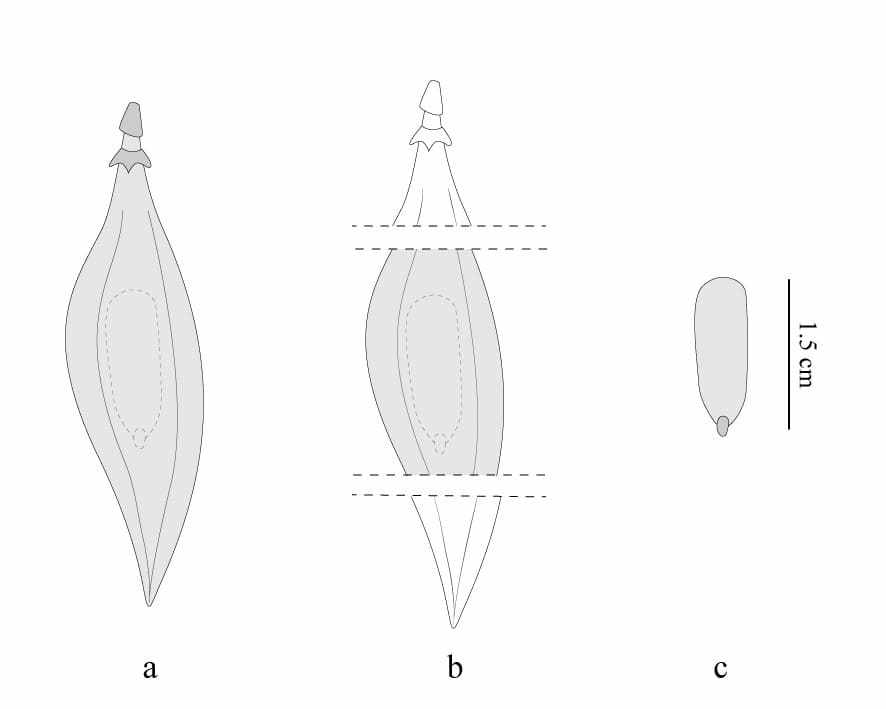

Peltophorum dubium has gained economical relevance to its uses in forest plantations and agroforestry systems, but seedling production
Morinda citrifolia L. is a medicinal plant belonging to the family Rubiaceae and is popularly known as Noni. The fruit juice is rich in immunodulatory
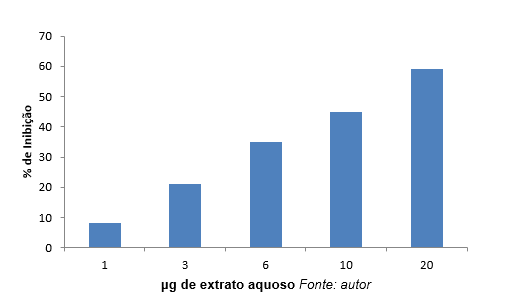

The unregulated activity of proteases in humans is related to a number of diseases. Neutrophil Elastase is a protease controlled…
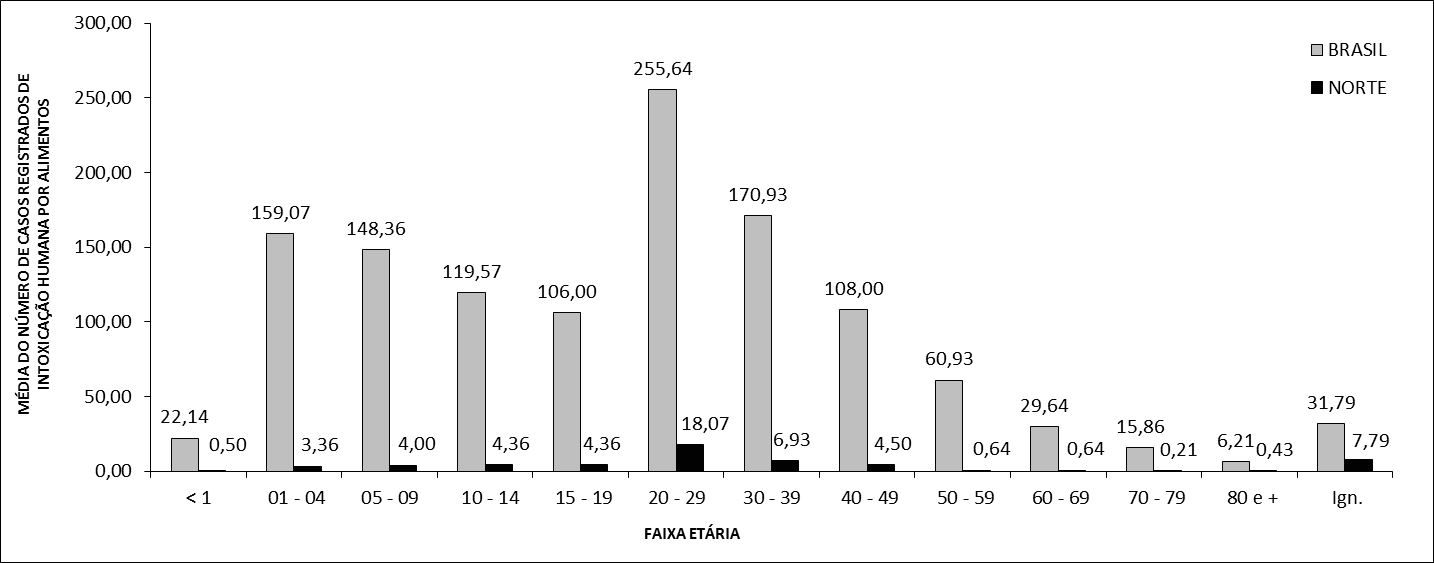
Diseases transmitted by food (DTFs) can be defined as those caused by external agents that enter the living being, by water or contaminated food
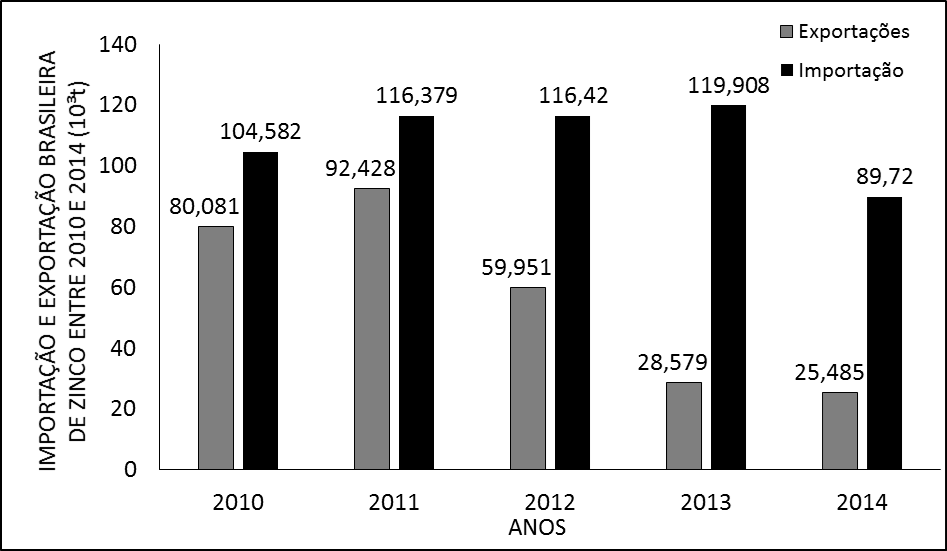
Zinc is a chemical element represented symbol Zn, atomic number 30, with atomic mass 65.4, found in nature with the largest reserves being
Foodborne diseases (ADDs) can be defined as those caused by external agents that penetrate the living being, via water or food
Brazilian tin production on an industrial scale began in the 1940s and expanded in 1950. However, the internal importance only happened
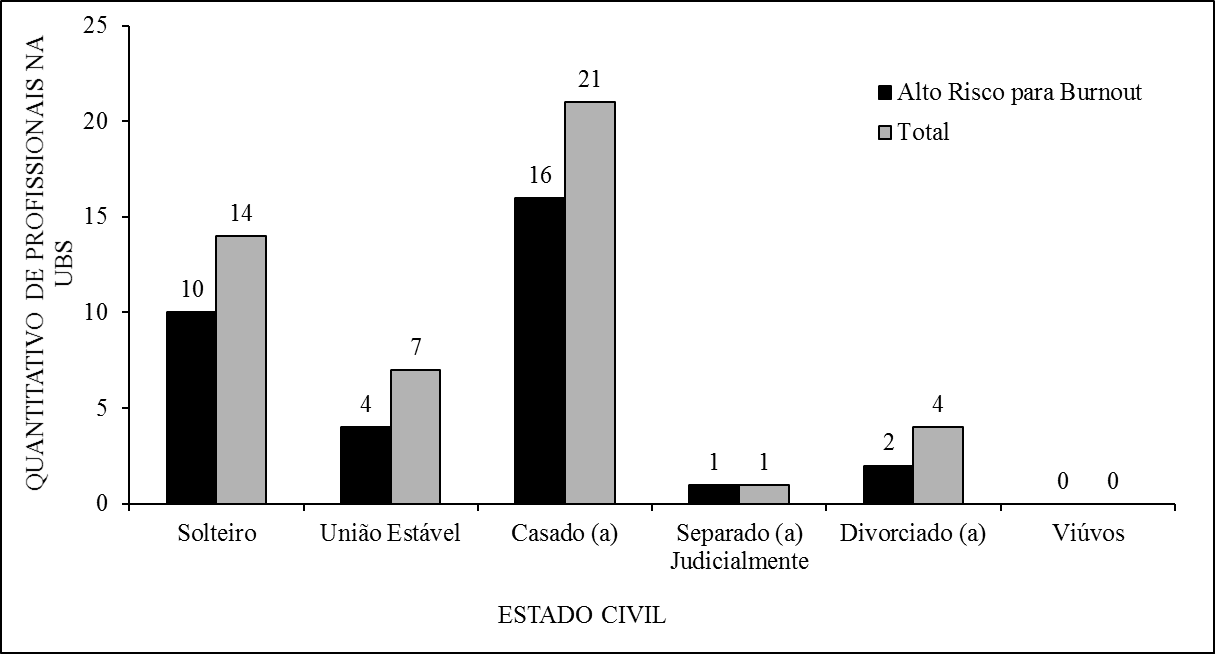
MOURA, Allan Anderson Pereira [1], PINHEIRO, Felipe Ferreira [2], PINGARILHO, João Gonçalves [3], DIAS, Cláudio Alberto Gellis de Mattos [4], OLIVEIRA, Euzébio [5], DENDASCK, Carla
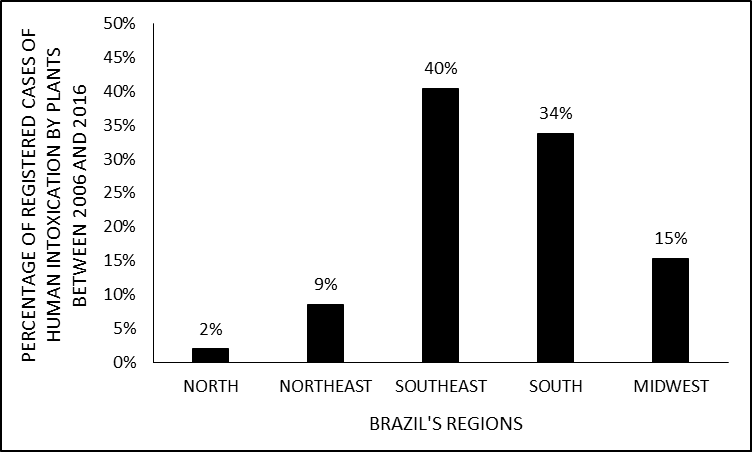
HUMAN INTOXICATION BY PLANTS IN BRAZIL BETWEEN 2006 AND 2016