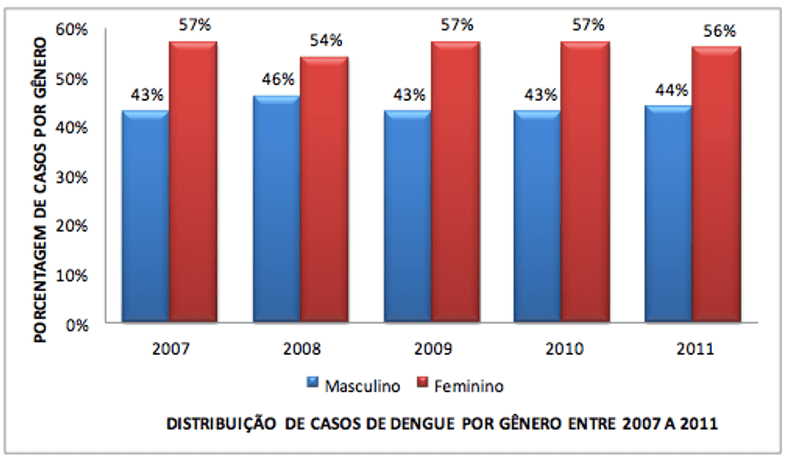

Serum Epidemiological profile of Dengue cases reported in the city of Belém, Pará
SILVA, Francilene Amorim da [1], ROCHA, Bianca Malheiros Ferreira [2], GESTA, Silvia Sidney Maia [3], FECURY, Amanda Alves [4], DIAS, Cláudio Alberto Gellis de Mattos
SILVA, Francilene Amorim da [1], ROCHA, Bianca Malheiros Ferreira [2], GESTA, Silvia Sidney Maia [3], FECURY, Amanda Alves [4], DIAS, Cláudio Alberto Gellis de Mattos


Dengue fever is a disease caused by the mosquito Aedes aegypti, which affects society and constitutes a serious public health problem in Brazil and in the world.
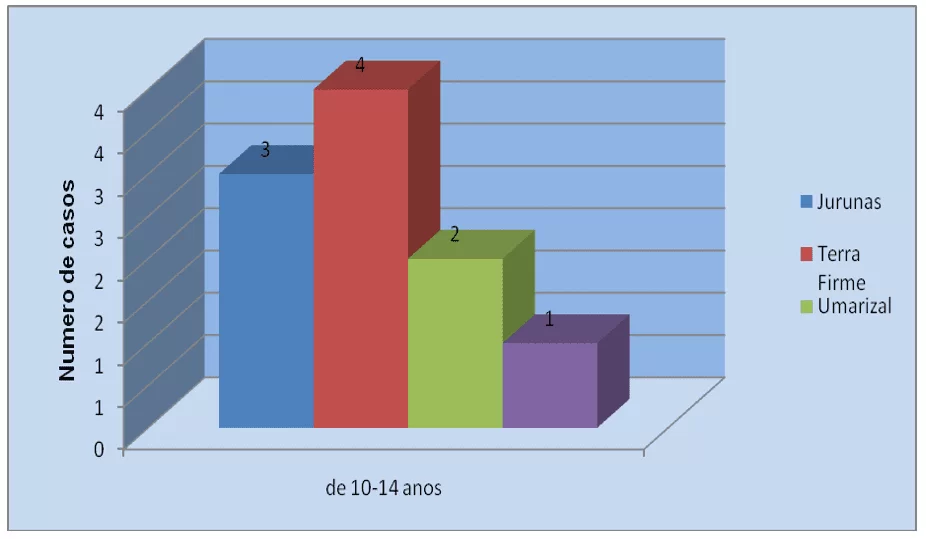

The cervical cancer of uterus is the second type of cancer most frequently among the female population with an estimated 500,000
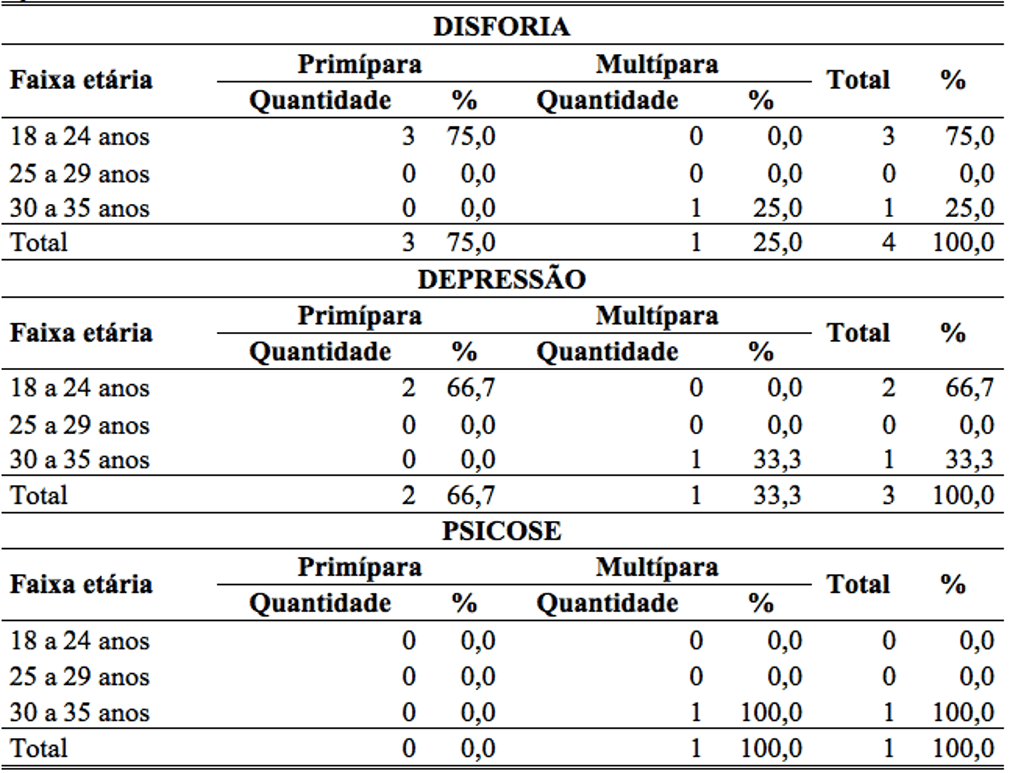

Psychic disorders in the puerperium are among the most serious in psychiatry. The present study had as objective the incidence of Psychiatric Disorders
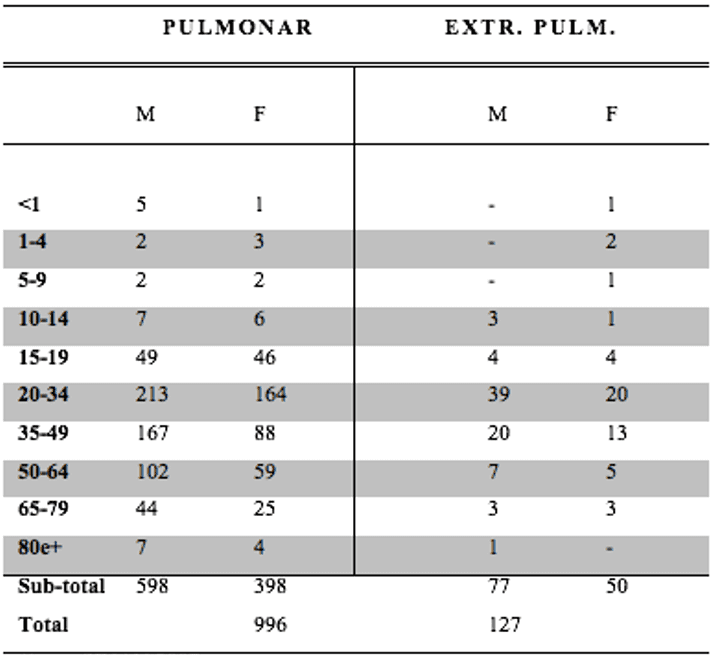

Epidemiological case notifications of tuberculosis (TB) are very important, because the disease that afflicts mankind comes from antiquity.
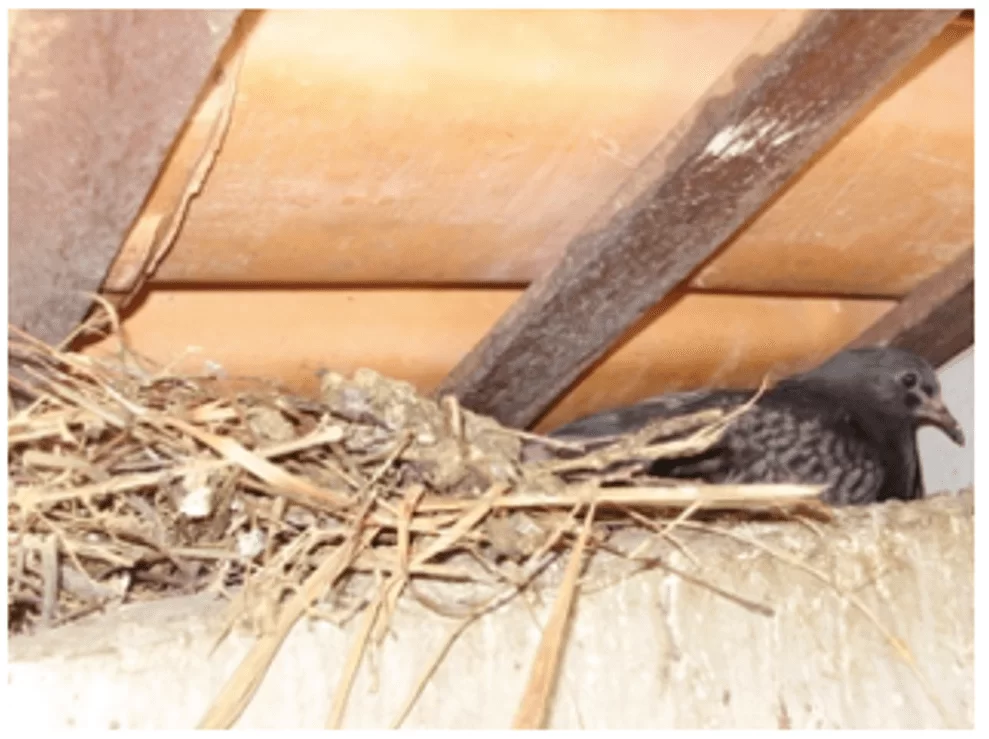

Pigeons are birds of the order Columbiformes Columbidae family and genus Columba that features more than 50 species.
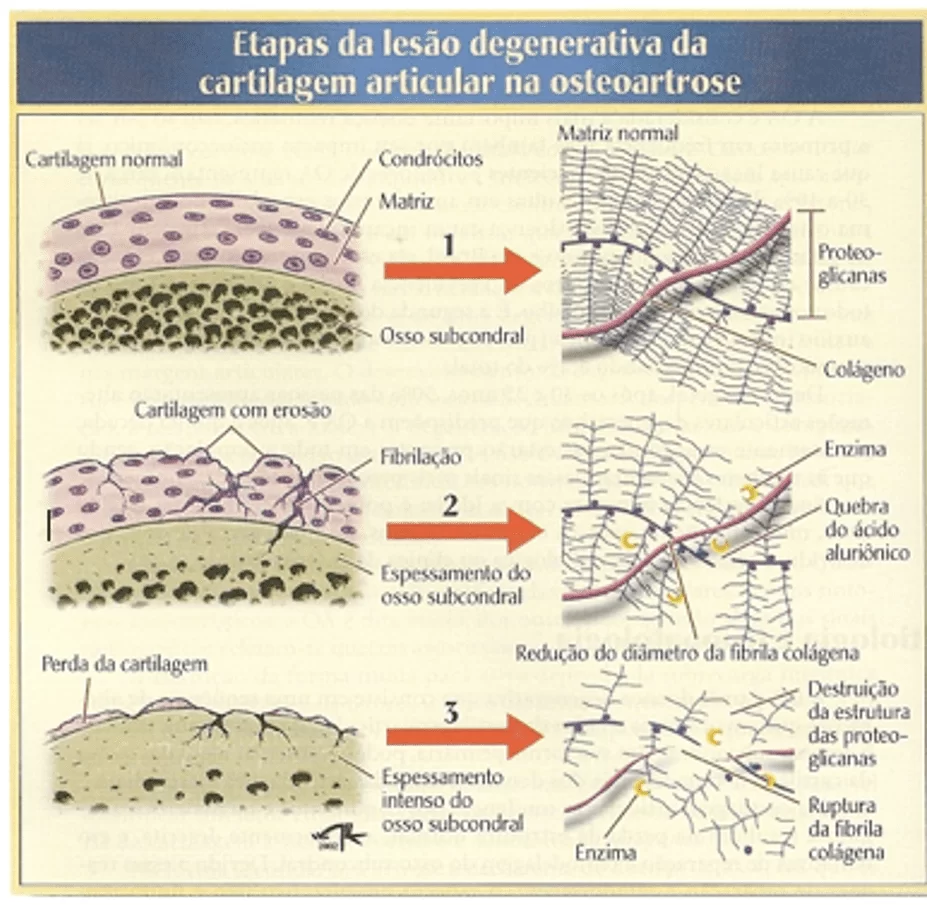

As someone ages, there is a reduction of bodily functions. For example, reducing the capacity maximum respiratory and cardiac output.
The first case of Dengue fever recorded in Brazil, took place in the year 1982 in the city of Boa Vista in Rondônia.
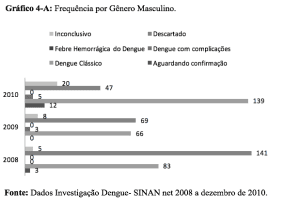

FREITAS, Heldimar Soares de [1], FARIAS, Selma Ferreira de Freitas [2], FECURY, Amanda Alves [3], DIAS, Cláudio Alberto Gellis de Mattos [4],MOREIRA, Elizangela Claudia [5],
The presence of microorganisms such as bacteria from the genus Staphylococcus aureus in hospital units in recent years has grown considerably, due to the resistance of these microorganisms to certain types of antimicrobials, which has caused major pathologies.
DENDASCK, Carla Viana [1], OLIVEIRA, Euzébio de [2], LOPES, Gileade Ferreira [3] DENDASCK, Carla Viana; OLIVEIRA, Euzébio de; LOPES, Gileade Ferreira. Chikungunya: General aspects of Arbovirus –
The concept of health has suffered several interventions over the past 100 years, it was conceptualized from different world views.
This article has as its theme the judicialization of health impacts in public administration, particularly with regard to the public and financial budget.
This article aims to bring a brief reflection about the real effectiveness of social rights in the brazilian public health, using as a basis, an exploratory analysis of the elucidações brought by various scholars that permeate to corroborate this.